Newfoundland and Labrador is Canada’s easternmost province. Most trips focus on the island of Newfoundland: the west coast and Gros Morne National Park, the Viking Trail up to L’Anse aux Meadows, then the east coast, St. John’s and Iceberg Alley. Vast, wild Labrador is mostly explored via the Trans-Labrador Highway or along its coast. On the island you’ll set your watch to Newfoundland Time — half an hour ahead of the rest of Atlantic Canada.
In this guide
Newfoundland highlights
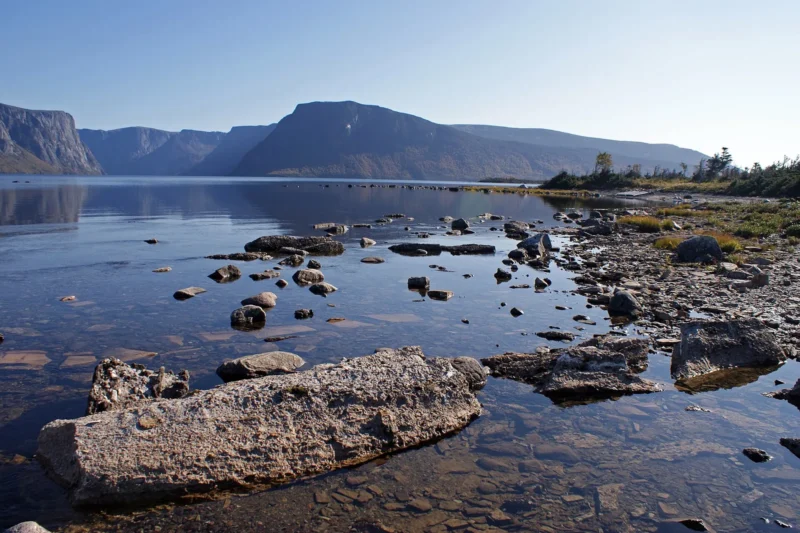
- Gros Morne National Park, a UNESCO site since 1987: the Tablelands, the Western Brook Pond boat tour and Gros Morne Mountain.
- L’Anse aux Meadows, the only authenticated Norse site in North America, at the tip of the Great Northern Peninsula.
- St. John’s: colourful “Jellybean Row” houses, Signal Hill and Cape Spear, often described as the easternmost point in North America.
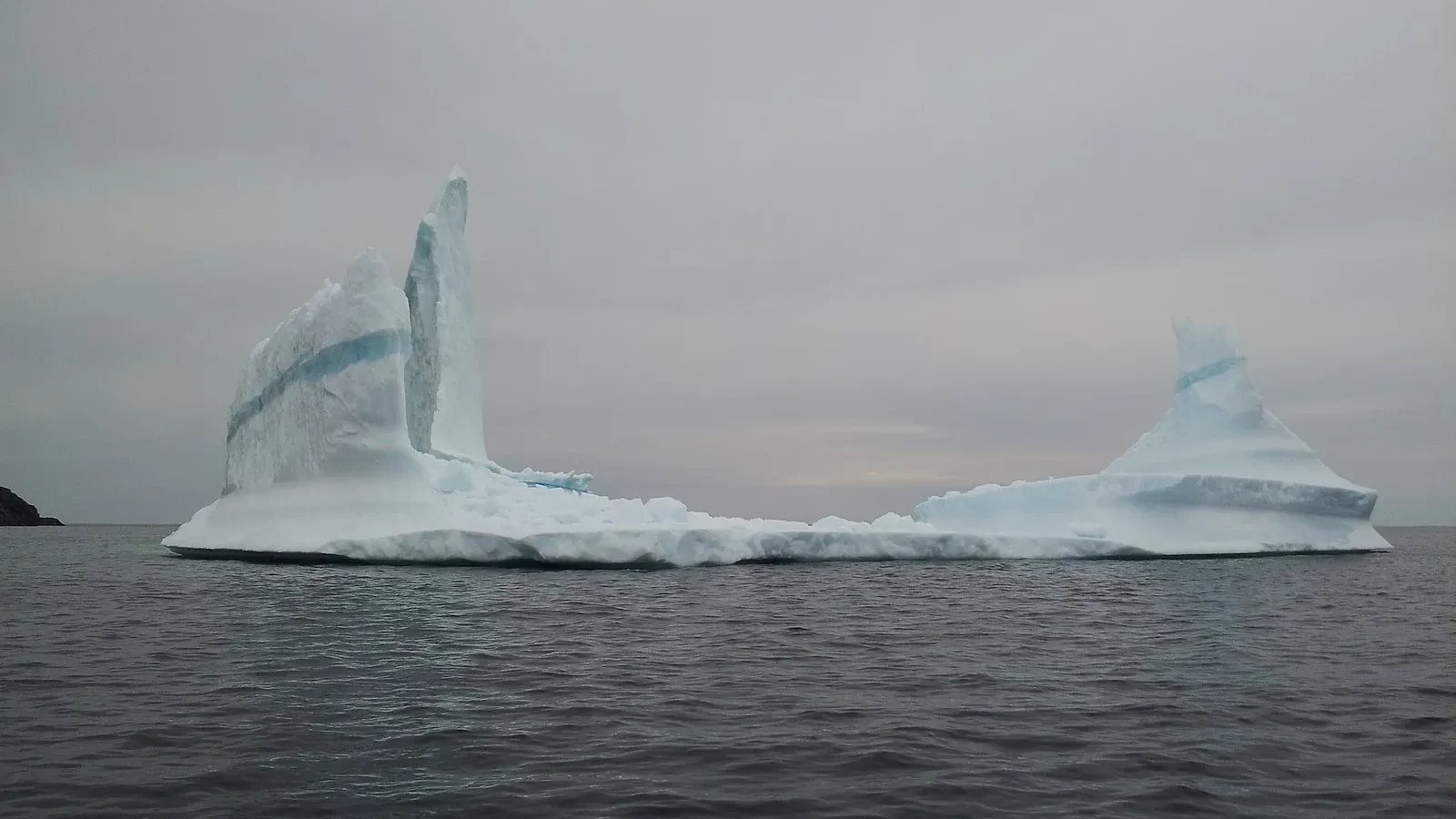
- Icebergs, mostly seen in late spring and early summer along the north and east coasts (Twillingate, St. Anthony, the Bonavista Peninsula).
- Puffins and whales: Witless Bay Ecological Reserve and Elliston.
- Red Bay (Labrador) and Mistaken Point, two more World Heritage Sites.
- The Port au Port Peninsula, heartland of Newfoundland’s French-speaking community.
Our Newfoundland guides
Start with our Gros Morne National Park guide: getting there, the Tablelands, the Western Brook Pond boat tour, the Gros Morne Mountain hike (and its spring closure) and a 3-day itinerary. Every article on the province is listed below.
How many days do you need?
| Time | Suggestion |
|---|---|
| 5–7 days | The west coast: Gros Morne and the Viking Trail to L’Anse aux Meadows |
| 7 days | St. John’s and the Avalon Peninsula, Bonavista, Twillingate |
| 12–14 days | The full crossing, from Port aux Basques to St. John’s |
When to visit Newfoundland
July and August are the mildest and most reliable months for hiking and boat tours. For icebergs, aim for late spring and early summer; numbers vary enormously from year to year, and the official IcebergFinder site helps you track them. Puffins and whales are generally around in summer. September is calm and bright, but some services close.
Getting to Newfoundland
- By ferry with Marine Atlantic from North Sydney, Nova Scotia: to Port aux Basques in about 7 hours, year-round; to Argentia, near St. John’s, in about 16.5 hours, in season. Book early for summer.
- By air: St. John’s and Deer Lake are the main airports, with connections through Halifax, Montréal or Toronto.
- Getting around: a car is essential. The Trans-Canada Highway crosses the island for more than 900 km (560 mi), so give yourself time.
Moose on the road
Newfoundland has a very high density of moose. Avoid driving at night and take extra care at dawn and dusk.
Frequently asked questions
How long is the ferry to Newfoundland?
About 7 hours between North Sydney and Port aux Basques (year-round), and about 16.5 hours between North Sydney and Argentia (seasonal), according to Marine Atlantic.
When is iceberg season in Newfoundland?
Mainly late spring and early summer, along the north and east coasts. Numbers vary a lot from year to year.
What time zone is Newfoundland in?
The island runs on Newfoundland Time: 30 minutes ahead of Atlantic Time and 1.5 hours ahead of Eastern Time.
How many days do you need in Newfoundland?
Plan 10 to 14 days to cross the island. With a week, choose either the west coast (Gros Morne and the Viking Trail) or the east (St. John’s, Bonavista, Twillingate).
Sources
- Newfoundland and Labrador Tourism (official site): newfoundlandlabrador.com
- Parks Canada, Gros Morne National Park and L’Anse aux Meadows National Historic Site: parks.canada.ca
- UNESCO, World Heritage Sites in Canada: whc.unesco.org
- Marine Atlantic, schedules and reservations: marineatlantic.ca
- IcebergFinder (Newfoundland and Labrador Tourism): icebergfinder.com